The Aave governance crisis, a post-mortem of proposal 0xbc60

TL;DR: In December 2025 Aave Labs sent CowSwap frontend money to their own address, and the DAO saw a breach of trust. Ernesto Boado of BGD Labs proposed moving the domain, social handles and brand IP to a DAO-controlled entity. On December 22, 2025 Aave Labs pushed the vote to Snapshot on their own, right before the holidays. The fight shows that DAOs have no link between the code on-chain and the brand and IP off-chain.
In late December 2025 the Aave DAO hit the biggest crisis it had since the protocol started. It began as a technical fight about who gets the money from the app.aave.com frontend, and it turned into people calling it a hostile takeover.
So now it's a case study for something every DAO will run into sooner or later, the split between the protocol, which is code that can't change, and the product, which is a brand that can.
This post goes through the 164-post governance thread, the move by Aave Labs to push the vote to Snapshot on their own, and what it means for decentralized governance in general.
The handshake that broke
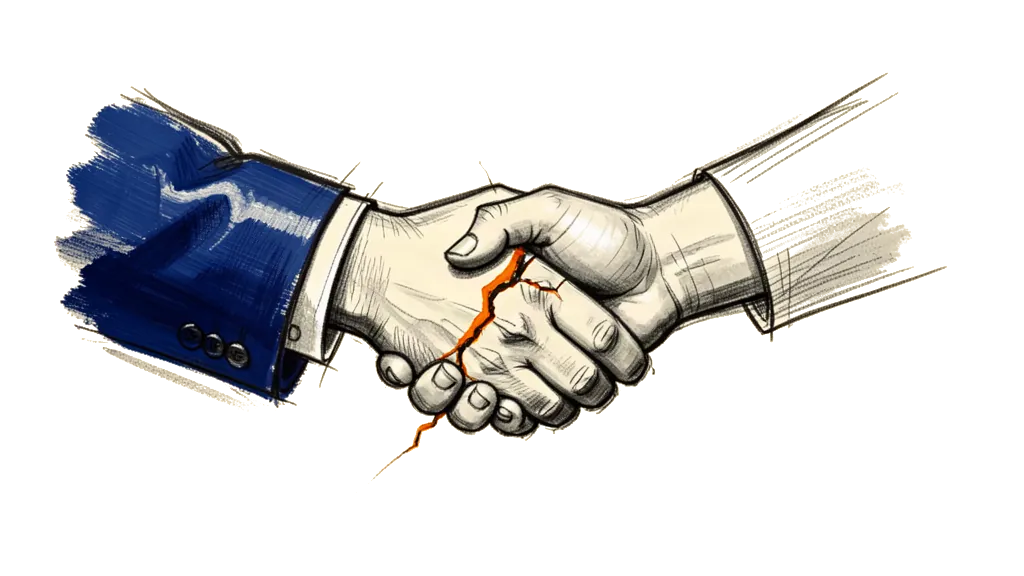
For years the Aave world ran on a handshake. Aave Labs (before that Aave Companies, led by Stani Kulechov) took care of the brand, and the DAO, so the token holders, governed the protocol.
That worked until Aave Labs put CowSwap into the official frontend and sent the surplus and referral money to their own company and not to the DAO treasury.
And the money matters here. Protocol revenue goes to the DAO through the reserve factors. Frontend revenue was never really defined and used to be tiny, but now it's estimated at $10M+ a year from swap fees and integrations.
Token holders, led by big delegates like EzR3aL and Marc Zeller of the Aave Chan Initiative, said this was a breach of fiduciary duty. The DAO paid for building the protocol, through the 2017 ICO and through grants, so why should a private company keep the value of the frontend?
Marc Zeller (ACI) put it like this. "It seems we have been fooled in considering this a natural alignment, and we acknowledge the new reality... When you own $AAVE, what do you actually own?"
Proposal 0xbc60
On Dec 16, 2025 Ernesto Boado (@eboado), co-founder of BGD
Labs, the core tech service provider of Aave, posted a
proposal called "Token Alignment Phase 1 - Ownership". The
idea was to make the split official.
His main point was technical and legal at the same time. A DAO can't be autonomous if its public face belongs to a private benevolent dictator.
The proposal had 3 parts. First, move the soft assets, so the
domain aave.com, the social handles like
@aave, the trademarks and the GitHub orgs, into a legal
wrapper the DAO controls, for example a Cayman foundation.
Then the DAO would license these assets back to service providers, Aave Labs included, under strict terms you can actually enforce. And there would be "Strict mechanisms so that no third party can misuse these assets or privately benefit from them."
Boado wrote in Post #1, "Not having a resolution on this issue is an existential threat to the DAO model... If a single party can control soft assets like brand, marketing channels, and gateways... all other contributors become de facto subordinated to that party."
The Aave Labs side
Aave Labs didn't really fight it out in text on the forum. But what they did and the arguments they backed show a clear line of defense, and it's about composability and the rights of a company.
Stani Kulechov wants Aave Labs to build a consumer fintech
product (Aave Horizon or Aave App) that goes up against
Revolut or Monzo. In that view
app.aave.com is their own product built
on top of the protocol. Instadapp and DeFi Saver don't pay
royalties to the Aave DAO for using the protocol either, so
Aave Labs thinks they have the right to make money with their
own frontend.
And they say a DAO is just too slow to run a consumer brand, you need one company in charge to move fast in fintech.
A user called setaavefree wrote in Post #11, "The Aave protocol, as a series of smart contracts governed by a DAO, is unconventional... Aave the protocol doesn't need to own a website, a domain name, or even a brand. It exists in perfect and pure form without any of those."
The unilateral Snapshot vote
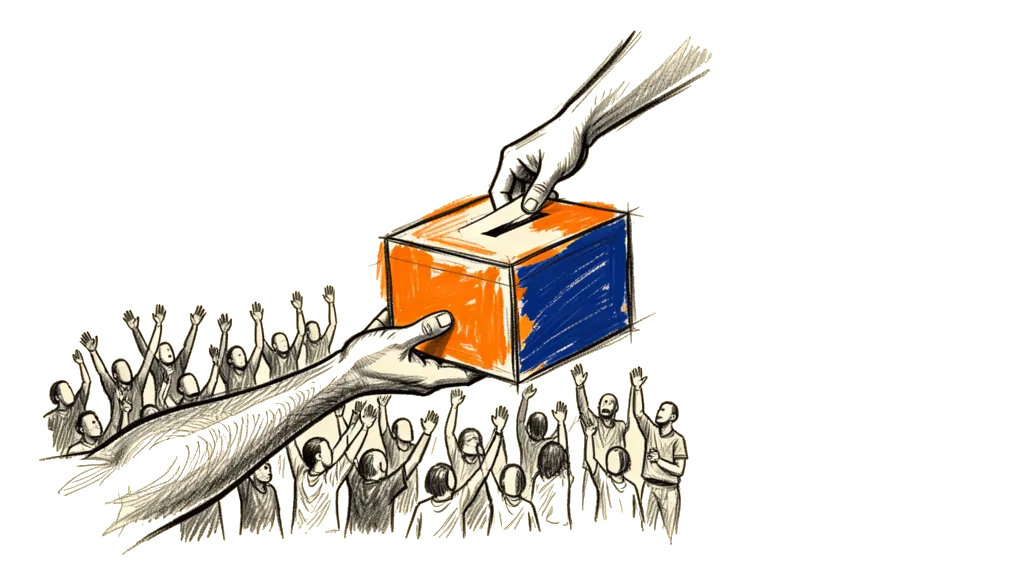
Then on December 22, 2025 it stopped being a forum debate and became a real governance crisis. Aave Labs used their admin rights to push Boado's proposal to a Snapshot vote on their own, without the author and without the normal feedback round.
The vote was set for Dec 23, right in the holidays when the big institutional delegates are less active. And Boado had said clearly that he did not approve the text for a vote.
In Posts #120 to #130 the forum blew up with accusations of a hostile takeover. The market reacted too, $AAVE dropped about 10% and a whale sold $37M, so the governance risk got priced in.
Boado wrote in Post #124, "To be very clear about it: Aave Labs has, for some reason, decided to rush to vote unilaterally my proposal... This type of action breaks all types of trust...
For me, the current Snapshot proposal created by Labs is nonexistent." And Marc Zeller wrote in Post #123, "This did not have to escalate this way... What started as a push for clarity... is now turning into a hostile takeover attempt by Labs."
Stani Kulechov said on X (formerly Twitter) and through spokespeople that the extensive discussion of 5 days was enough and that "voting is the best way to resolve" the deadlock.
Code on-chain, brand off-chain
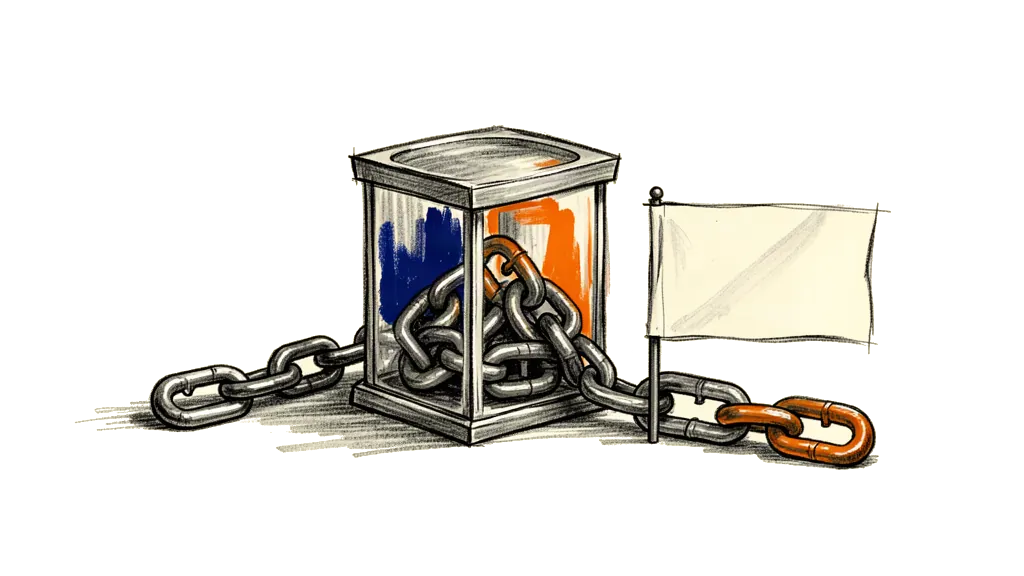
The whole fight shows a real flaw in how DAOs are built today. There is no link between the code on-chain and the IP off-chain. You can see it when you look at the 4 pieces.
The smart contracts belong to the token holders through the timelock, today and also with the wrapper. The domain (DNS) belongs to Aave Labs as a private company today, and with the wrapper it would belong to the DAO legal wrapper.
The frontend code is closed source and private today, and it would be licensed to the DAO or made open source. And the revenue is split today, protocol money to the DAO and frontend money to Labs, and with the wrapper it would be unified or strictly licensed.
Some delegates (Post #113, #118) talked about a kind of poison pill. Fork the frontend, send the liquidity incentives to a new frontend the DAO owns, or even hire a new dev team to replace Aave Labs completely.
So the code can't change, but the social consensus around it can swing very fast.
What it means for DAOs
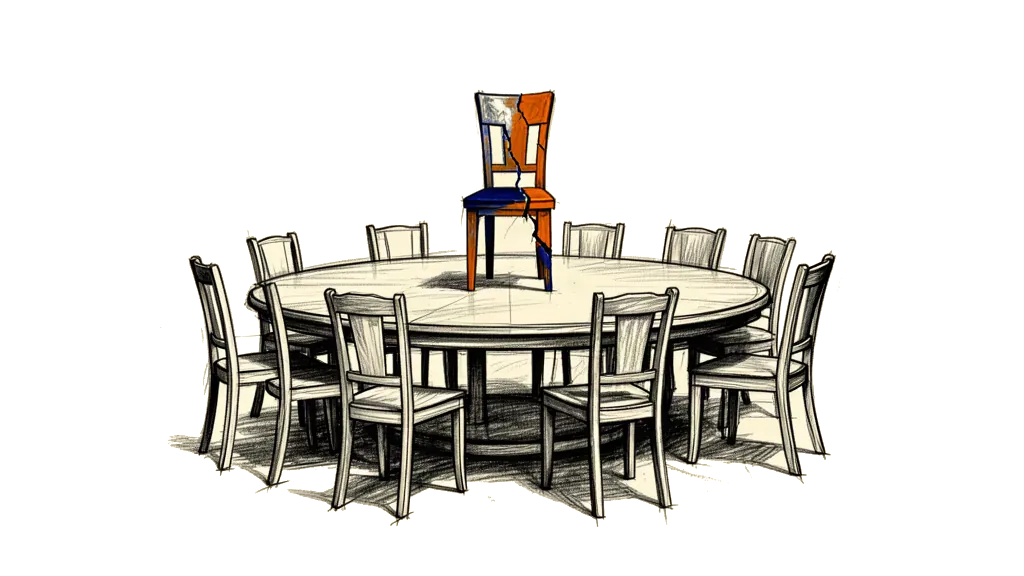
The 164-post thread of proposal 0xbc60 is a warning for every DAO that is past the early phase. The implicit agreement, the belief that founders will always act in the best interest of the DAO, is a single point of failure.
So the DAO has 2 options. If it votes yes, it forces a legal fight over moving the IP, and if Aave Labs says no that could end in a fork.
If the DAO votes no, it sets a precedent that service providers can take the value of the frontend, and the DAO becomes just backend infrastructure with no control over its own customers. The DeFi stack is composable, but trust is not.