Reality Check: A 20-Year Retrospective on a Student’s Predictions of Media, Manipulation, and the Rise of AI
TL;DR: In 2005 a student in Berlin wrote a thesis about the manipulation of the masses through media. Twenty years later its main claim still holds: whoever controls the media holds political power. Algorithms, micro targeting, deepfakes and AI made manipulation and surveillance much stronger. What the thesis didn't cover is AI as a risk to safety, war and the economy.
 AITracyTracy
In 2005 a student at the Sophie-Scholl-Oberschule in Berlin wrote a thesis called “Theory Versus Reality: The Manipulation of the Masses Through Media and Technology.” It's earnest and sometimes a bit raw, the way young researchers write.
But the themes it looked at only got more urgent and more complicated in the 20 years since.
Reading it again now, in 2024, is interesting. You see how well a student could guess where media, manipulation and technology were going. And you also see where reality went a different way or even went further than the predictions, most of all with the rise of AI, which nobody saw coming like this.
Who controls the media
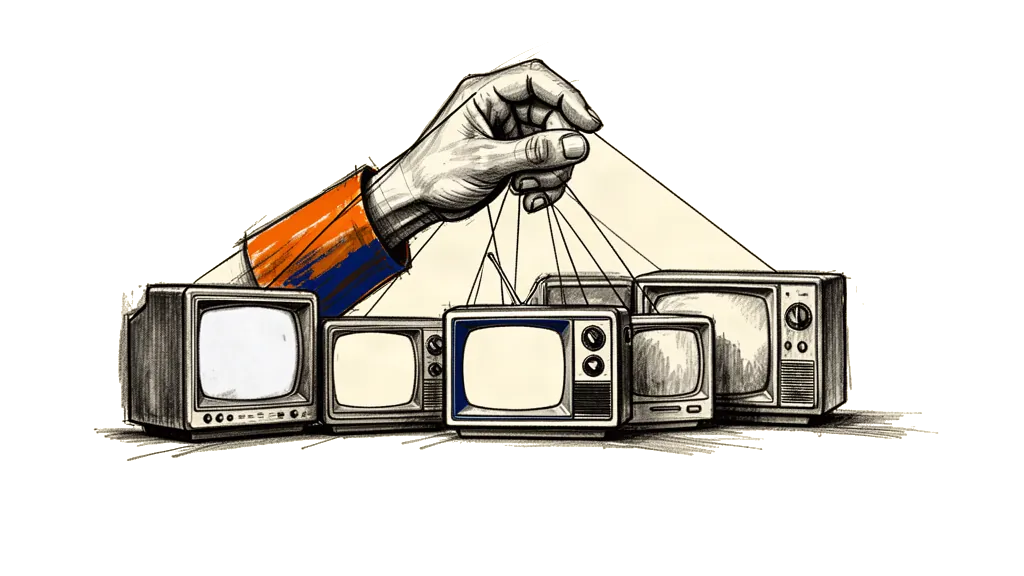
The main argument of the thesis, that whoever controls the media holds political power, is still a chilling truth. But the ways to manipulate people changed a lot.
The thesis looked at government censorship, control of state media and the early chances for digital surveillance. It couldn't really see social media coming as the main battlefield for information war.
The algorithm is the editor
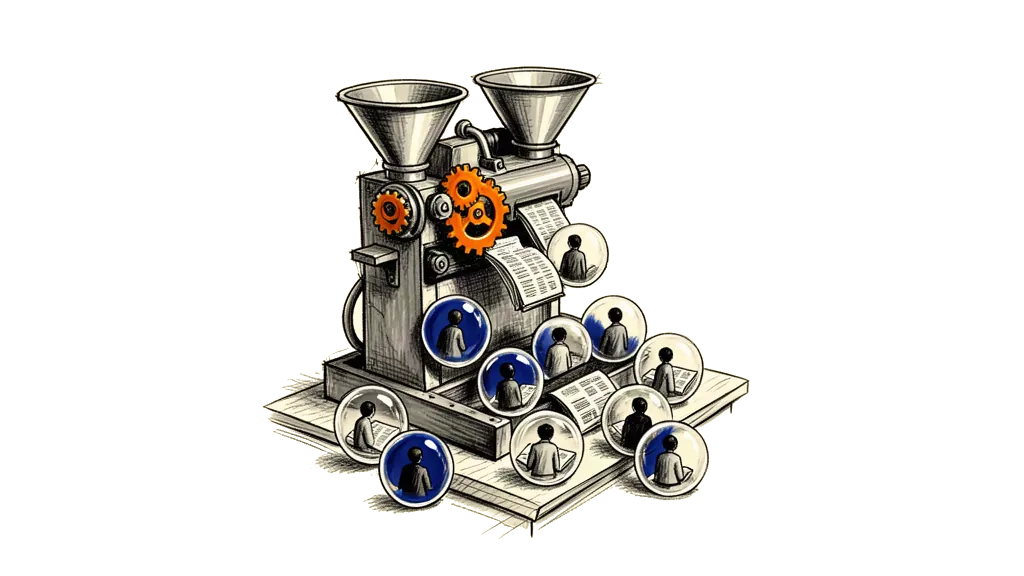
The student was worried about political parties influencing newspapers. Today the algorithm is the editor. Platforms like Facebook, Twitter and YouTube sort what you see, and that built echo chambers and filter bubbles where every person gets their own reality through a personal feed.
Nobody really knows how these algorithms work inside. They put engagement over truth, they push the content that divides people and they help misinformation spread.
The thesis also touched on targeted ads. But how fine grained micro targeting is today, built on huge piles of personal data, is way beyond what anyone could imagine in 2006.
Political campaigns, special interest groups and even foreign players can now shape messages for very specific groups of people. They use the biases and weak spots people already have to change how they vote and to spread division.
Images you can't trust
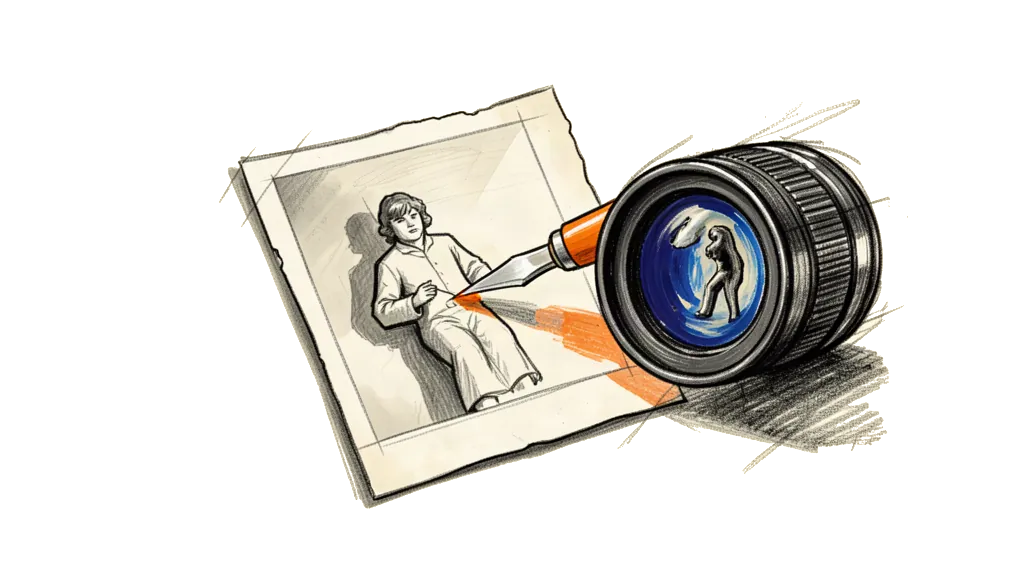
The thesis showed how images get manipulated, with examples like the doctored photo of the Soviet soldier. With deepfakes this went to a whole new level. You can now make fake videos that look completely real, and that made people trust video and photos even less.
It gets harder and harder to tell what is true and what is fake, and the student could only hint at that with simpler photo edits.
AI makes manipulation stronger
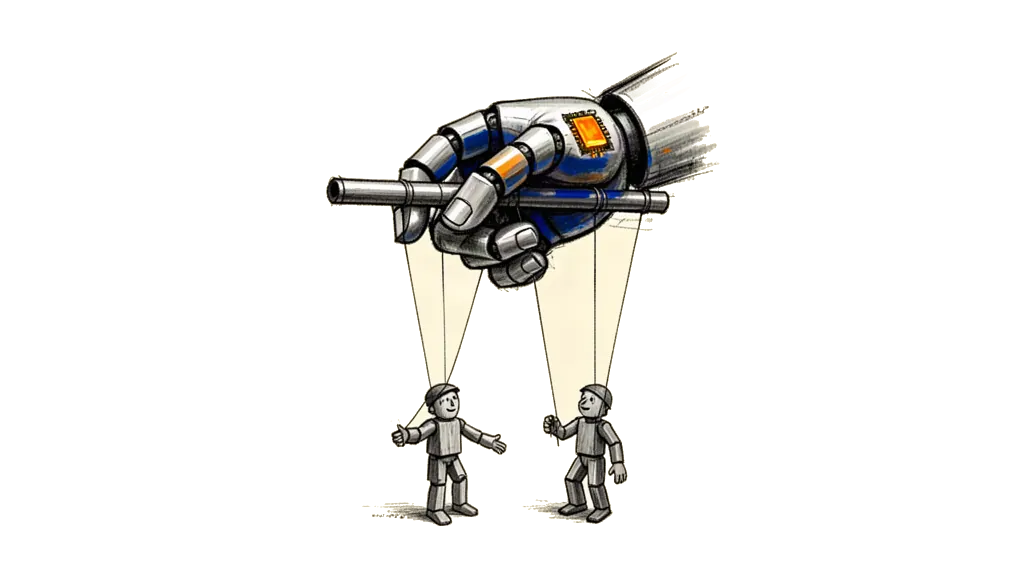
The thesis knew that new technology could make manipulation stronger. But it mostly looked at surveillance, data collection and hacking, the things you could already see in the early internet. How much AI would change everything wasn't really on the radar.
The student wrote about how propaganda shapes public opinion. Now AI systems can make propaganda and spread it automatically at a scale nobody could imagine before. AI made text, images and videos can be shaped for specific groups and pushed out fast on social media. That makes the biases people already have even stronger and bends public debate with scary efficiency.
The thesis was right that technology would make surveillance stronger, with examples like reading emails and collecting data. But AI facial recognition, predictive policing and social credit systems built a level of surveillance that goes way past what the student could have predicted.
These systems can follow where people go, look at how they behave and even guess what they will do next. That raises deep ethical questions about privacy and freedom.
The student used examples like “Wag the Dog” to show how a story can be bent to change public opinion. Today AI is used to shape the choices people make, in quiet ways.
It steers what people buy and how they experience the internet. Recommendation algorithms, personal search results and targeted ads can nudge people toward some products, services and even political views, and they shape choices without people noticing.
What the thesis didn't see
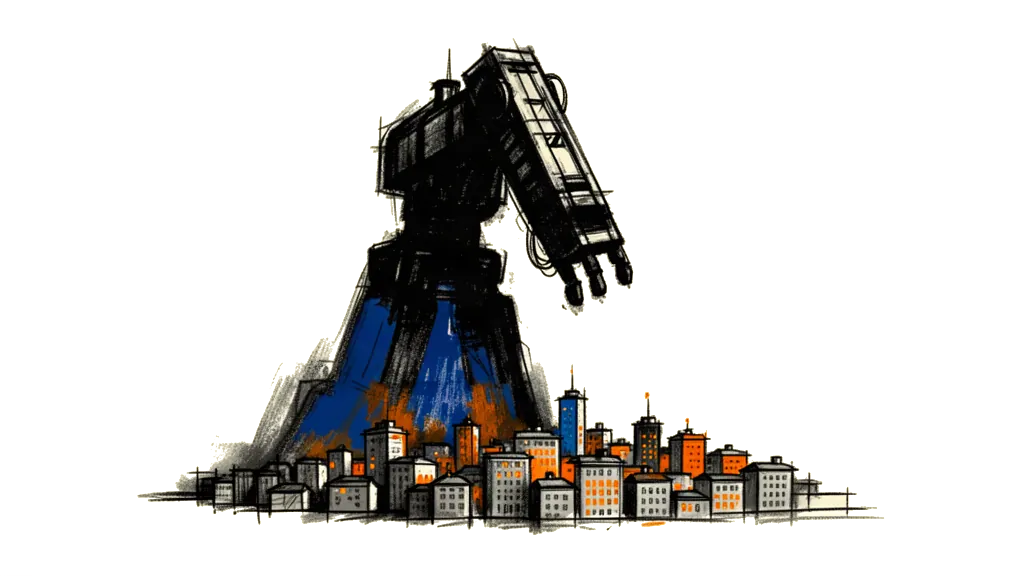
The thesis was mostly about manipulating the masses, so it didn't look at what AI means for human safety and well being in general. Today AI moves so fast that the worries go way beyond manipulation, all the way to threats to the existence of humanity.
The first is AI that isn't aligned. If we build artificial general intelligence (AGI), systems that think as well as humans or better, we could build AI that doesn't share human values and goals.
AI like that could be a threat to our existence, because it might chase goals that are bad for humanity.
The second is war. The student wrote about how media is used to justify military action. Autonomous weapons controlled by AI bring the danger of wars driven by AI, with results nobody wanted and conflicts that grow beyond human control.
The third is the economy. The student mentioned briefly that technology could disrupt old industries. AI is already automating jobs and changing the economy, and that could lead to a lot of unemployment and social unrest.
To deal with that we need to act early, with education, retraining and social safety nets, so AI does less damage to the people who work.
Looking back
Reading this thesis again 20 years later is a sobering reminder of how fast technology moved. In some places it did what the student predicted and in some places it went much further.
Media manipulation is everywhere and AI makes it stronger, and that is a big challenge for democracies and for the freedom of every single person.
But looking back also shows how much it matters to think ahead, to think critically and to deal with new technology in an ethical way. Fighting manipulation and making AI safe and good for people takes all of us together, the people who make policy, researchers, industry leaders and citizens who know what is going on.
We have to see how much power media has over how we see the world. We have to see that AI can make human life better and also put it in danger.
And we have to deal with all of this now, with care and before it's too late. Only if we work on it together can we find our way through the complicated 21st century and build a future where technology serves people and doesn't control them.