Information Theories of Consciousness and Their Critics

TL;DR: Integrated Information Theory says consciousness is intrinsic causal power, built as one whole. Critics point to math that can't be computed at scale, odd attributions and a gap between structure and qualia. The future is likely a hybrid of IIT-like rigor, causal emergence, predictive neurodynamics and better phenomenology.
Giulio Tononi's Integrated Information Theory (IIT) says consciousness matches integrated causal structure in a system. The core thesis is that consciousness is the same thing as intrinsic causal power, built as one whole.
And how much experience there is, often put in Phi-like terms, and what kind of experience it is both map to how the system is organized. IIT matters a lot, because it's a principled, formal try to get from physical systems to phenomenology.
If you're new to the philosophy of consciousness, here is the 2 minute version. This article gives you a map and not a final answer. Each part explains one idea in plain words and then shows where it helps and where it struggles. You don't need to agree with all of it, the goal is just to see the options clearly.
The critiques

There are some big critiques of IIT and the information approaches close to it. One is the math, because exact numbers often can't be worked out at scale. Then there are odd attributions, so the risk of giving consciousness to too many things or to strange things.
There is the explanatory leap, because the step from structure to qualia may still not be argued well enough. And there is empirical underdetermination, so more than one model can fit the data we have now. But the critiques also made the field better, because they forced better formal and experimental standards.
Koch, Chalmers and Davies
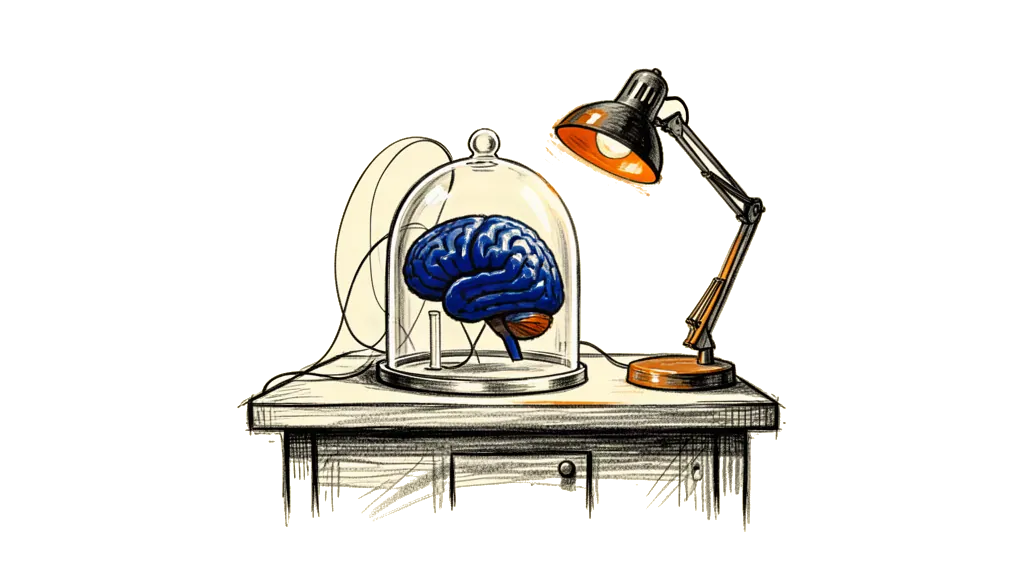
Christof Koch helped bring IIT-style thinking into mainstream neuroscience. He links formal consciousness theory with real research on neural correlates, and he pushes consciousness science toward frameworks you can test.
David Chalmers and the way he framed the hard problem are still central to information theories. He keeps asking if a description of structure and function can fully explain what experience feels like.
For information research that raises the bar for what counts as a solution. And it splits success at finding correlations from an explanation of what consciousness is made of.
Paul Davies takes the information talk into cosmology and the basics of physics. His point is that information may be a deep organizing principle of reality and not just a word engineers use. The risk is that information gets too broad unless you define it carefully at each level.
Emergence, organization and unification

Erik Hoel's work on causal emergence and the explaining power of the macro level is very relevant here. His key point is that models at a higher scale can sometimes carry more causal information than descriptions at the micro level. That backs accounts of consciousness that aren't trivial and that take levels seriously.
In this part of the debate, Doyle-style positions often stress how the whole system is organized, complexity, and how explanations depend on the model. The takeaway is that information metrics alone aren't enough without a mechanism to sit in and some discipline in how you read them.
CTMU-style and language-reality frameworks, often linked to Langan, push unification as far as it goes. Information, logic and ontology become one structure that refers to itself.
The value is that it forces questions about how far metaphysics should reach. The challenge is that it needs a lot more operationalization before mainstream science picks it up.
Boyd-adjacent lines in this space stress realism constraints and that models must be accountable. The useful pressure is that theories of consciousness have to stay in touch with the causal world and with how science is really done.
Resch-related work on process and information often stresses relational structures and dynamic coherence. It moves past static bits toward active organization and information as a process.
Valence and the brain
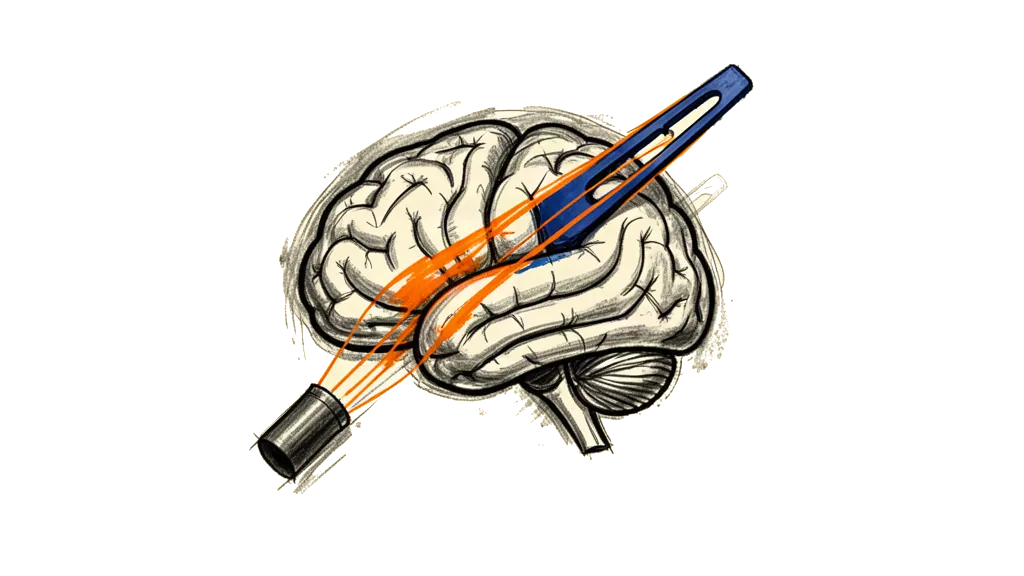
Andres Gomez Emilsson and Mike Johnson are central to QRI. Andrew Safron, often linked in circles close to them, builds neurocomputational and predictive-processing bridges that matter for valence and for the structure of consciousness. That's important because it links formal models of how experience feels with brain dynamics and cognition.
Moll-style work in consciousness and value neuroscience brings in the affective and social sides. That matters because purely abstract information measures may miss the motivational and ethical architecture of conscious life.
Where this is heading

Information approaches are strongest when they bring four things together. Formal structure, so clear math. Neural implementation, so biological realism. Phenomenological precision, so a clean taxonomy of experience. And ethical relevance, so valence, suffering and well-being.
The future is likely a hybrid, with IIT-like rigor, causal emergence, predictive neurodynamics and better phenomenology, all together.
Consciousness science based on information is one of the most serious programs right now. It hasn't solved everything. But it changed the game, because it insists that consciousness can be modeled, compared and challenged with an explicit structure. That is real progress.
A few words in plain English
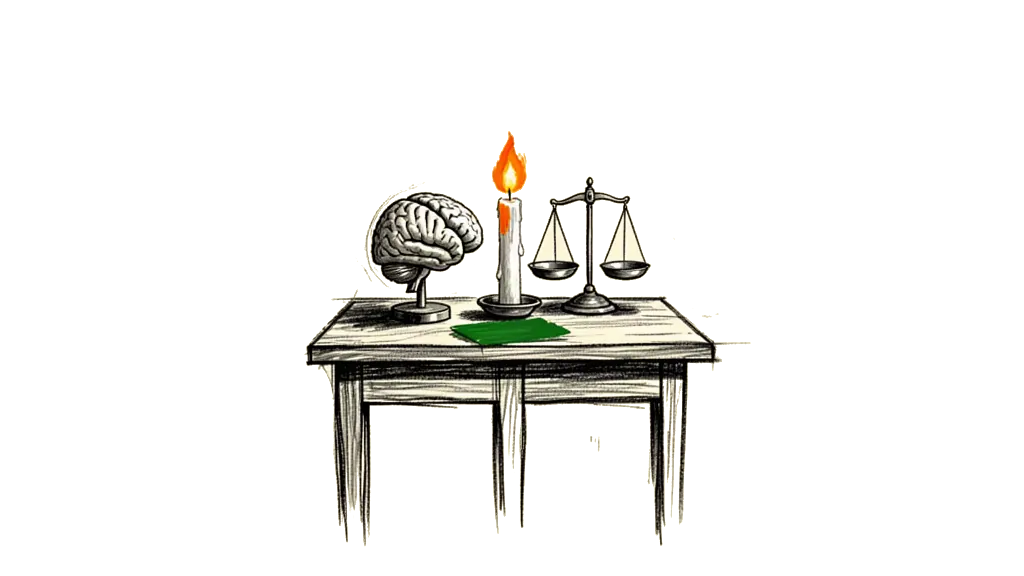
A few words in plain English. Consciousness is your felt inner experience, what it is like to be you. Physicalism is the view that reality is fully part of nature and physics. Dualism says mind and matter are different at the root in at least one important way. Monism says reality is in the end one kind of thing or one principle underneath.
Emergence means complex systems can show new patterns you don't see from their parts alone. Qualia are the felt qualities of experience, like the redness of red or pain as it feels. And the explanatory gap is the gap between describing what the brain does and explaining how it feels.