History of the ThreeFold Network and Tokens

TL;DR: ThreeFold is a decentralized P2P internet infrastructure, a grid of computing, storage and network owned by the community. It grew from Zero-OS in 2016 to Grid v3 on Stellar, with over 80 million GB of capacity at its peak. In February 2026 v3 rewards ended and v4 began, with SPORE as the main token and AUR as a gold-backed stablecoin.
The ThreeFold Network is a decentralized peer to peer (P2P) internet infrastructure project. It gives you a global grid of computing, storage and network capacity, and that grid is owned by the community and not by a few big providers.
1. How it started, 2016 to 2017
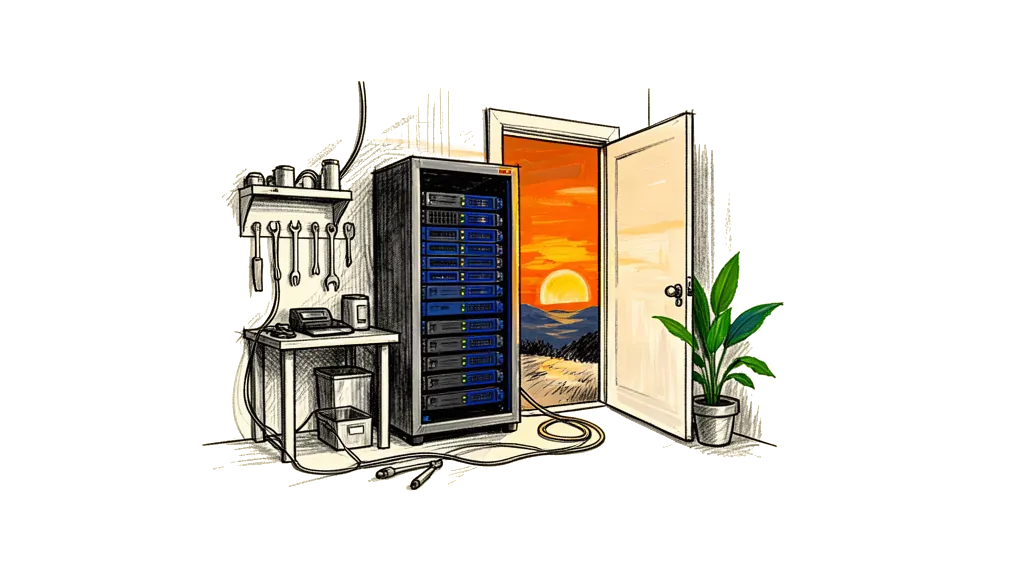
ThreeFold started in 2016 with a team of internet veterans led by Kristof De Spiegeleer. The mission was to build a "People's Internet" that is open source, neutral and very secure. The base for the network was Zero-OS, a lightweight operating system that takes humans out of server management, so the servers heal themselves and run on their own.
2. The grid versions
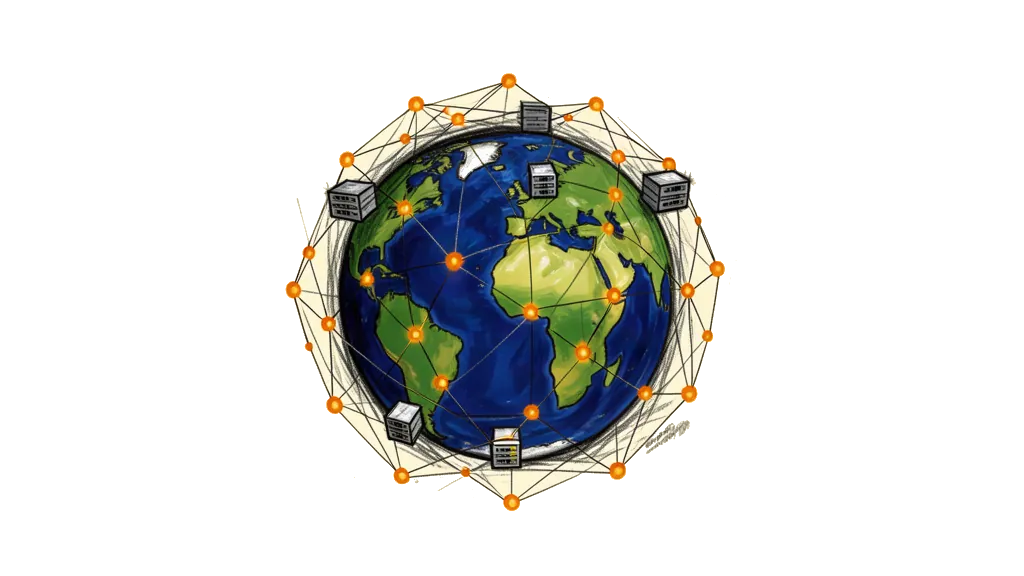
The network went through a few versions to grow its capacity and to move toward a real commercial marketplace. Grid v1.0 and v2.0 ran from 2018 to 2019. These early versions tested the Proof-of-Capacity model, where users, the Farmers, got rewards for proving that their hardware was connected to the grid.
Grid v3.0 ran from 2020 to 2025. In that time the network grew to a global scale and used the Stellar blockchain to manage capacity. At its peak the grid had over 80 million GB of capacity on thousands of nodes in more than 20 countries.
Grid v4.0 launched in early 2026 and goes on from there. It's a shift to an economy based on utilization, with a marketplace where users rent slices of computing directly from Farmers, and the Farmers set their own prices.
3. The tokens TFT, SPORE and AUR
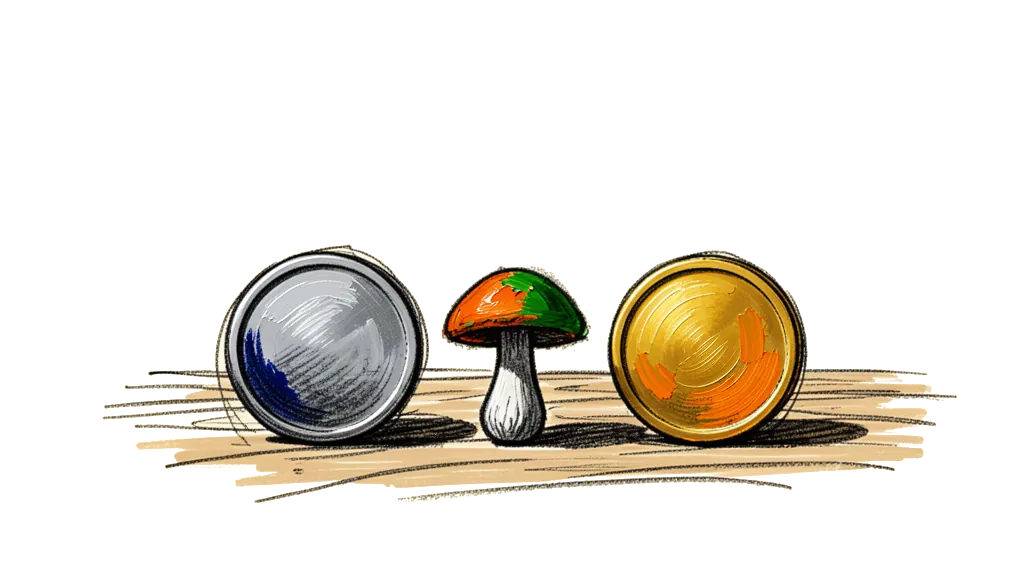
ThreeFold uses more than one asset, so it can reward the people who run the infrastructure and still give end users prices they can plan with. The ThreeFold Token (TFT) came first as the main utility token of the network. And unlike most cryptocurrencies TFT was never sold in an ICO.
It only gets minted when a Farmer adds active hardware to the grid. It started on the Stellar network and later also went to Binance Smart Chain (BSC) and the native TF Chain (Substrate) through bridges. The total supply is hard capped at 4 billion tokens.
As of February 2026 the network is moving to a more commercial economic model, and that's the new v4 economy. SPORE is the new main utility and reward token for v4. You pay for grid services with it and Farmers get paid out in it.
There is a one way bridge so users can convert their old TFT tokens into SPORE and join v4. AUR is a stablecoin backed by gold, made to give corporate and enterprise users stable prices. So they can pay for computing slices without the swings of normal crypto markets.
Timeline
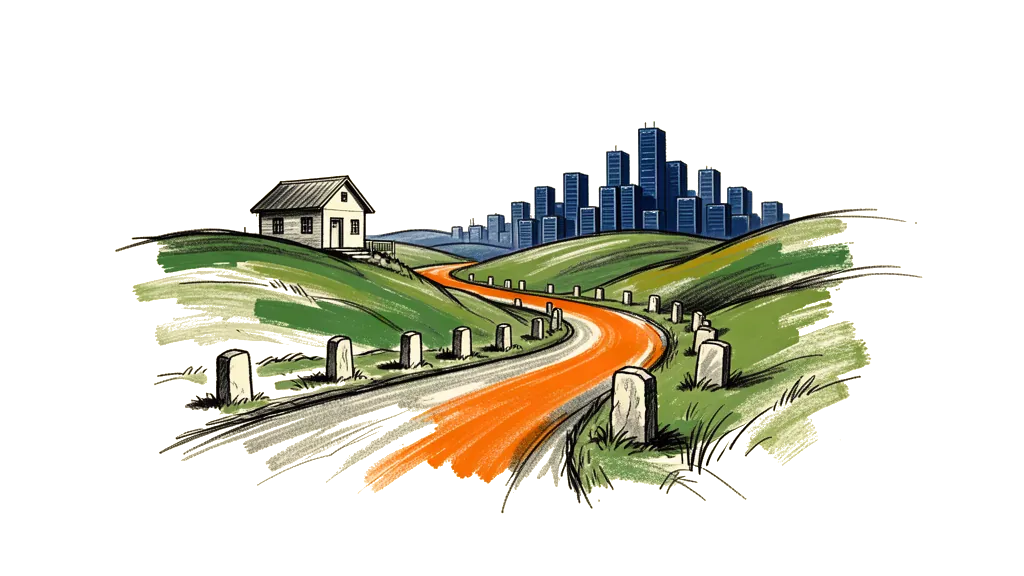
In 2016 the project was founded and the first work on Zero-OS began. In 2018 the early grid versions launched and the first ThreeFold Tokens (TFT) were minted. In 2020 Grid 3.0 launched on the Stellar blockchain. 2021 was a big growth phase and the grid went past 80 PB of storage capacity worldwide.
In 2024 the community voted to move from a reward model based on capacity to one based on utilization. On Feb 8, 2026 the minting rewards on the v3 grid officially ended and the mandatory migration to the v4 marketplace began. And from 2026 on there is the launch of the v4 Marketplace, the AUR stablecoin and options to convert rewards into BTC, ETH and USDC.
If you want to read more, there is the ThreeFold Official Website, the ThreeFold Knowledge Base (Wiki), the ThreeFold Forum and ThreeFold GitHub.