Beyond borders, rethinking statehood amid U.S. Elections, immigration conflicts, and the rise of network states

TL;DR: I'm pro-helping people in need, but I understand Elon Musk's argument that a state should run like a company. My father barely contributed in money but gave over 20 years of theater and culture. That counts too. Network states like Liberland and service states like Liechtenstein show other ways to do citizenship and government.
My original thoughts
These are my original thoughts, as I said them.
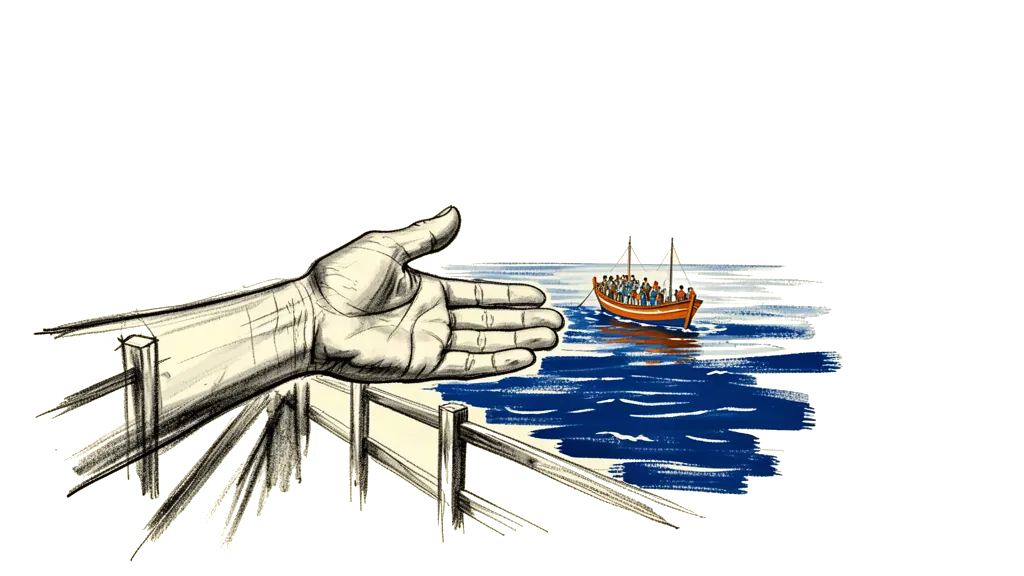
“I think towards immigration that I’m actually very pro-helping people. Therefore, when they are in need, I think states should take them in. For example, in the European Union, we do this with refugees who are coming from countries that are not safe.
But I also understand the main arguments from people like Elon Musk, who say that a state needs to operate like a company. Companies, for example, can only hire people who are beneficial for the company; otherwise, the company would go bankrupt if it has a bunch of people to pay but no one bringing in money. He actually compared it to a basketball team, saying “If you are not a basketball player and you don’t know how to play, you won’t be part of the team.”
On the other hand, I come from an immigrant family, and I think there are thousands of ways for society to benefit in ways that cannot be directly measured economically. For example, in the case of my father, while he didn’t contribute economically in a direct sense, he organized local theater for over 20 years, contributed significantly to culture, produced movies, and was an important member of the local creative and philosophical community. These contributions are very hard to measure in economic terms, but I believe that “Even if his impact was net negative in terms of money, it was net positive for the state as a whole.”
With all this said, I believe there are modern ideas, such as the network state, where a person can live wherever they want. They are not bound by physical borders but can still receive a passport. A good example of this is Liberland, where I’m also involved. In Liberland, they do have physical borders, but they accept citizens and e-residents from all over the world, and these people are not required to live within the borders to receive a passport. Citizens can contribute with taxes, vote, and access services that the country provides, such as international health insurance or company creation. These companies can then operate worldwide or within the Liberland ecosystem and network.
As citizens of a network state, like my girlfriend mentioned, they wouldn’t produce trash in the country, so there wouldn’t be a need for the government to collect or recycle trash. They wouldn’t use the electricity, healthcare system, roads, and so on. This approach takes the pressure off the state to provide these services, which is one of the fears that Republicans in the United States have, that they cannot provide for people entering the country who do not contribute to its system.
So, I embrace different and new systems. For instance, I was a resident in Liechtenstein for more than four years. Within the borders of Liechtenstein, which is a monarchy, everything functions perfectly. There isn’t a single broken road, everybody pays taxes, and 0% of people are unemployed. The state has everything under control, and the principle that the royal family adheres to is that “A state must behave like a service company, constantly listening to its citizens and providing a perfectly functioning infrastructure.”
The state must regulate healthcare services, maintain a functioning fire department, repair the roads, and generally act like a service company. People should have the freedom to choose, as the royal family emphasizes.
This concept is particularly special within Liechtenstein, as the country is divided into smaller regions. At any time, these regions can vote on leaving Liechtenstein and becoming independent, much like if the state of New York could vote to leave the United States and become its own state. However, if a region chooses to leave, it would no longer receive services from Liechtenstein, meaning it would need its own healthcare system, fire department, road maintenance, airport, and so on. This reality makes them think twice before deciding to become independent, ensuring the state remains efficient and responsive to its citizens.
It’s an interesting and somewhat radical approach, especially coming from a monarchy, but one worth considering. And that’s my story.”
The article
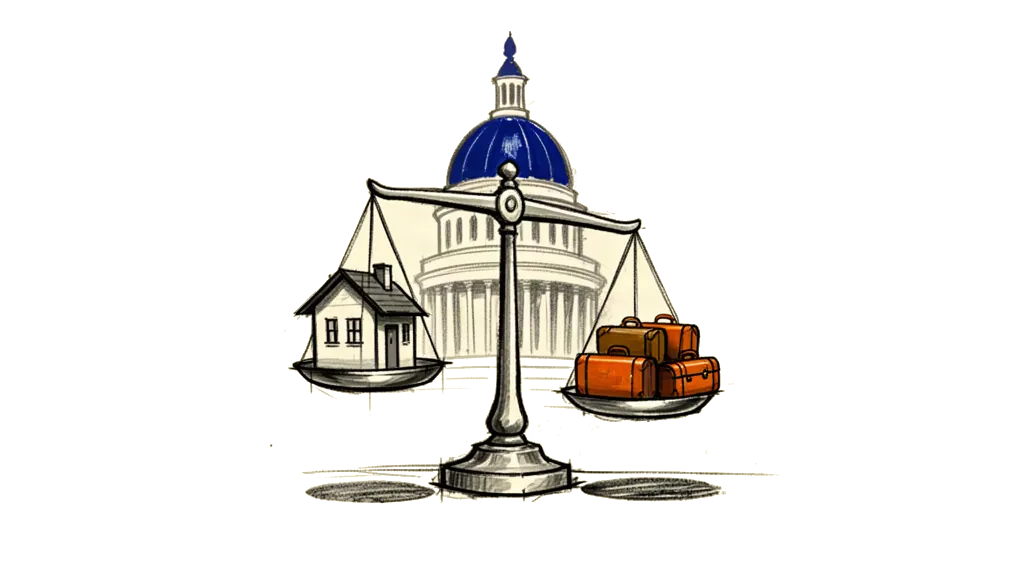
The U.S. elections are close, and the debate about immigration and what states owe people is back. It's a bigger question about how statehood, citizenship and government should change. This article looks at both sides of immigration, at new ways to run a state like the network state, and at two real examples, Liberland and Liechtenstein. Emin Mahrt, a diplomat from Liberland who argues for network states, shares his thoughts on these ideas in a world that is more and more connected.
Compassion or calculation

Immigration is one of the most divisive topics in the United States today. Some people say there is a humanitarian duty to take in people in need. Others say states should be run more like a business.
The European Parliament, in a report on humanitarian crises, says “The willingness to take in refugees is not just a legal obligation but a reflection of our shared humanity.” This idea is the base of how the European Union does it, with compassion and not calculation.
Emin Mahrt agrees with this. “I believe that when people are in need, states should take them in. For example, in the European Union, we accept refugees who come from unsafe countries, and that principle should guide other states as well.” He is for immigration and thinks helping people must stay at the center of what a state does.
On the other side, people like Elon Musk say a state should be run with the same principles as a company. In a recent statement Musk said “A state must operate with the same efficiency and goals as a corporation. You wouldn’t hire someone in your company who can’t contribute meaningfully. Why would you admit them into your country?”
He also compared it to a sports team. “If you’re not skilled in basketball, you’re not going to make the team.”
Mahrt sees the logic in this. “I understand the main arguments from people like Elon Musk, who compare a state to a company. If a state can only operate sustainably by admitting those who can contribute, that approach makes sense in a business context.” But for him the value of a person should not only be measured by what they bring in economically.
Value you can't measure in money
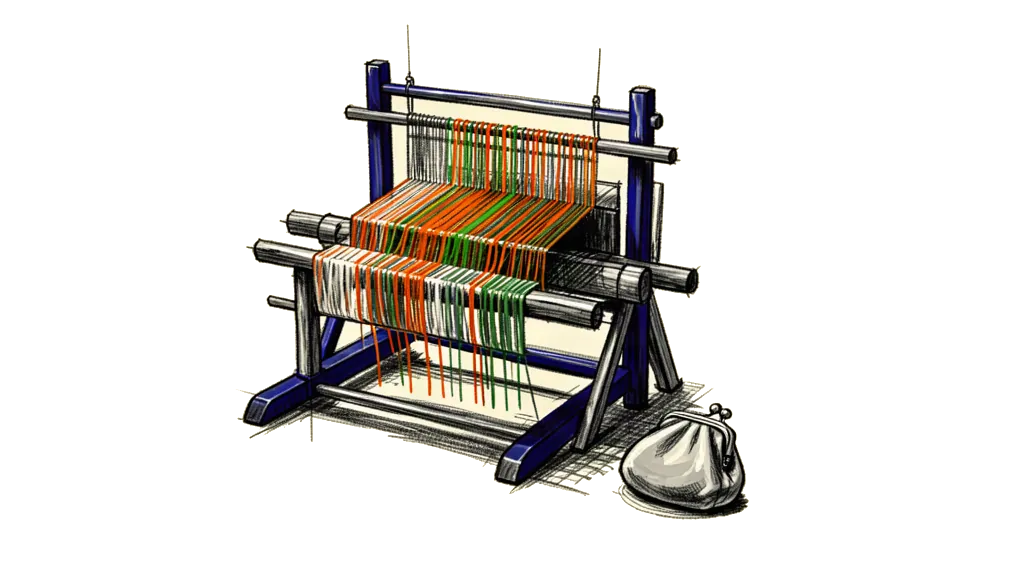
The money side of immigration matters, but it's not the only way to measure value. The sociologist Alejandro Portes has argued that “The impact of immigrants on society cannot be measured solely in economic terms; it’s about the social and cultural fabric they weave.”
He points to “cultural capital”, which immigrants bring in ways that make a society richer beyond its economy.
Emin Mahrt has a personal story that fits this. “I come from an immigrant family myself. My father organized local theater for over twenty years, contributing a lot to the local culture, producing movies, and engaging with the community in ways that are hard to measure economically. Even if his contribution was net negative in monetary terms, I believe it was net positive for the state as a whole.”
The cultural historian John Higham writes in Strangers in the Land that “Immigrants are the lifeblood of cultural evolution in any society, contributing not just labor, but ideas, traditions, and social vibrancy.” These things are hard to count, but they shape how a society lives and thinks.
Network states and Liberland
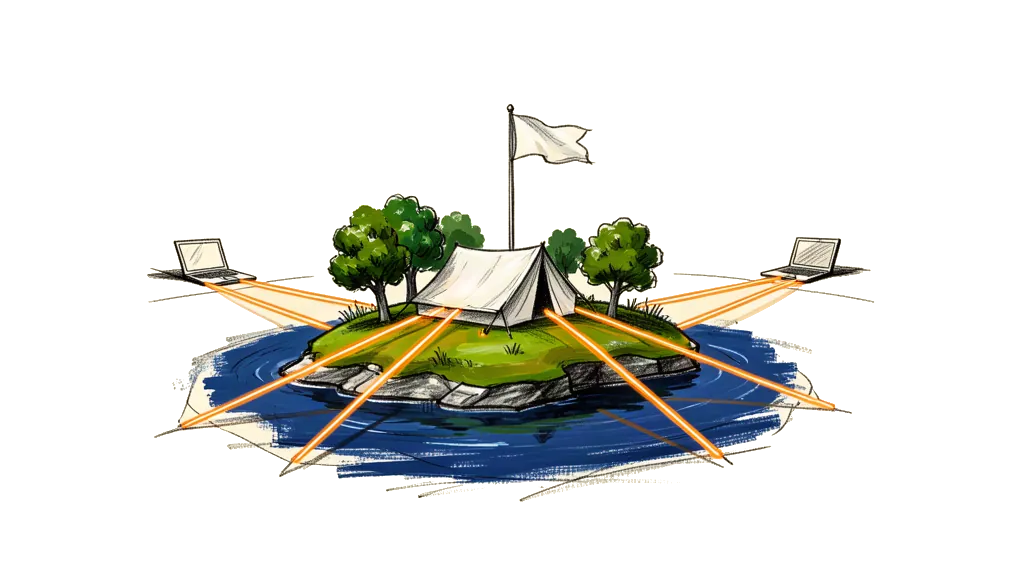
The old model of the state is under pressure, and new ideas like the “network state” are getting attention. In a network state you belong to a virtual state without being bound to its borders. Balaji Srinivasan, one of the best known voices for this idea, describes network states as “Digital-first, geographically-light communities” that are an alternative to the fixed, territory-bound nation-state.
In The Network State: How to Start a New Country he imagines a future where “A state is no longer a geographically-defined monopoly of violence, but a service provider with opt-in citizens.”
Emin Mahrt, a diplomat from Liberland, supports this, based on his work with Liberland. “Liberland is a good example of a modern idea. It has physical borders but accepts citizens and e-residents from all over the world without requiring them to live within those borders. In return for taxes or fees, citizens can vote, create companies, and access services such as international healthcare. Unlike traditional states, there’s no pressure on Liberland to maintain physical infrastructure or provide services like waste collection or local electricity.”
Liberland is a new way to think about the state, built on freedom, choosing to belong, and global citizenship.
It shows how digital government and a physical state can meet in a world that is more and more decentralized.
Liechtenstein, a state as a service company

Another example is Liechtenstein, a small and efficient principality in Central Europe. It's run a lot like a private company. Prince Hans-Adam II put it like this. “A state must operate like a service company, constantly improving and responding to the needs of its citizens.”
Mahrt lived in Liechtenstein for four years and likes this approach. “Within the borders of Liechtenstein, everything works perfectly. There isn’t a single broken road, everyone pays taxes, and unemployment is non-existent. The idea is simple: the state must behave like a service company and prioritize quality infrastructure and services.”
What is special about Liechtenstein is that the right to leave is built in. Regions inside the principality can declare independence if they are not happy with the services they get. Hans-Adam II said “If a region feels the state no longer serves them, they should be free to go their own way, but they must then bear the full responsibility of self-governance.”
Mahrt finds this convincing. “It’s like giving regions the freedom to choose, but also the responsibility to manage their own resources if they opt out. It’s a radical but interesting approach.”
What a state should be

With the U.S. elections coming, immigration and what states owe people are again at the front of the political debate. It's a good moment to ask again what a state should be and how it should deal with its citizens.
Network states offer digital citizenship, and small states like Liechtenstein show that a state can be a service provider, so there are more and more ways to govern.
The global strategist Parag Khanna talked about this in his TED Talk. “In an increasingly interconnected world, borders are not just physical, but ideological and functional. We need governance models that embrace this complexity rather than resist it.”
Mahrt agrees. “I embrace new systems and different approaches. If the traditional state struggles with the pressures of providing for everyone, models like network states or Liechtenstein’s service-oriented governance could offer viable alternatives.”
The fights over immigration in the United States and new models like Liberland and Liechtenstein show that statehood and citizenship are changing.
The human side says states should stay open to people in need. The money side says we need government that can last and works well. Maybe the answer is new kinds of citizenship and government that mix compassion with being practical.
As Emin Mahrt and others say, the future of government is not in holding on to the old models but in changing and trying new ways to define statehood and citizenship.
Network states like Liberland and service states like Liechtenstein could be answers to the big problems of our time. With the U.S. elections close, the world is watching how these conversations shape the next era of government.